Knitting Needle Size Chart and Guide
Choosing the right knitting needles can feel overwhelming, especially with so many materials, sizes and styles available. Whether you're a beginner buying your first pair of knitting needles or an experienced knitter looking to try something new, this Knitting Needle Size Chart and Guide will help you understand the different types of knitting needles, how needle sizes work, and how to choose the best needles for your next project.
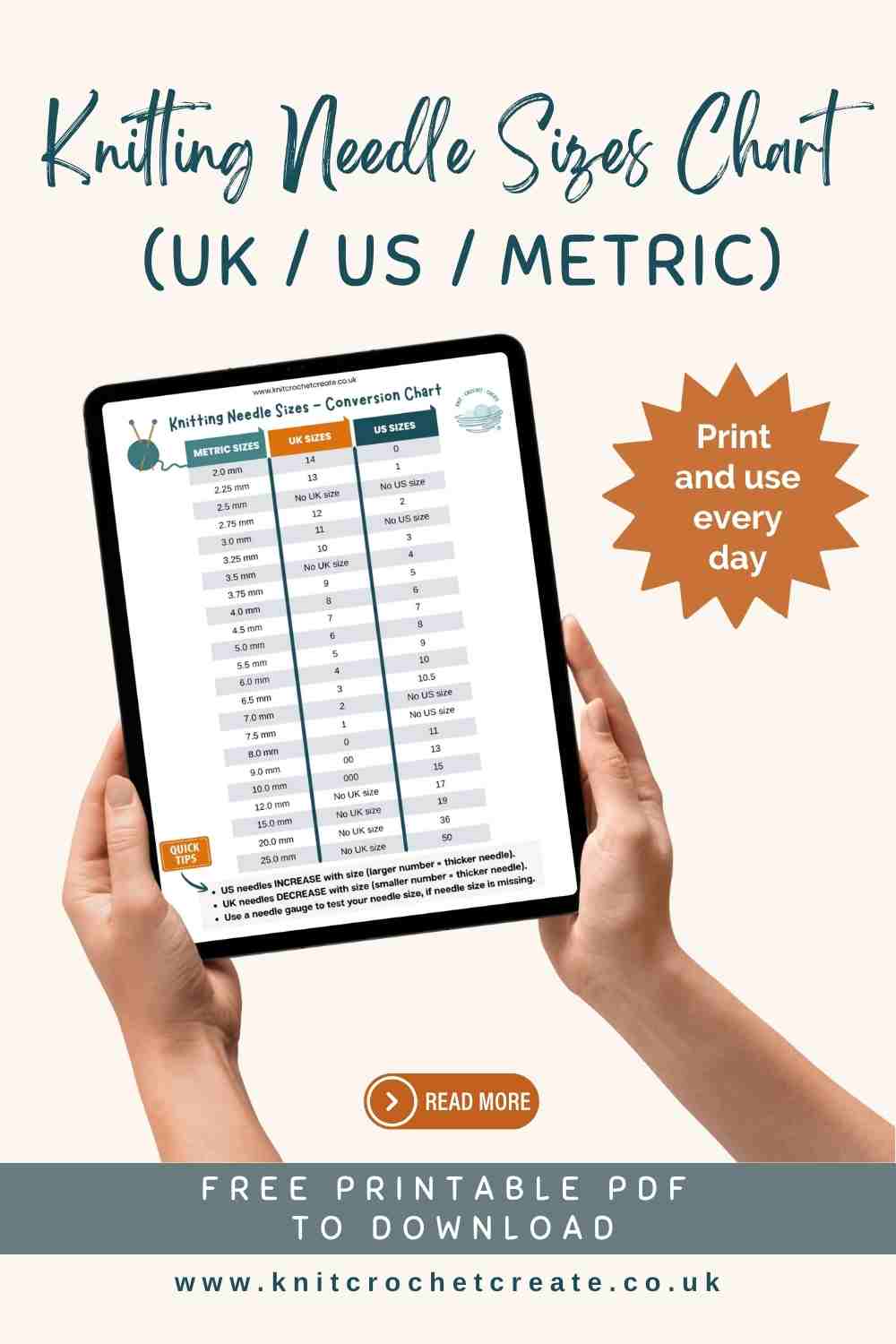
Knitting Needle Size Chart To Download
To make things even easier, I’ve included two FREE A4 PDF downloads at the end of this post:
- A complete Knitting Needle Size Chart (UK, US and metric).
- A Knitting Needle Types Guide.
You can print them, keep them in your project bag, and refer to them whenever you start something new.
Quick Look: Knitting Needle Size Chart and Guide:
- The different types of knitting needles.
- When to use each type.
- The pros and cons of each style.
- The materials needles are made from.
- How knitting needle sizes work.
- UK, US and metric size conversions.
- Tips for choosing the right needles so you can knit with confidence.
Your support helps Google recognise and trust me as a knitting and crochet designer 🌟
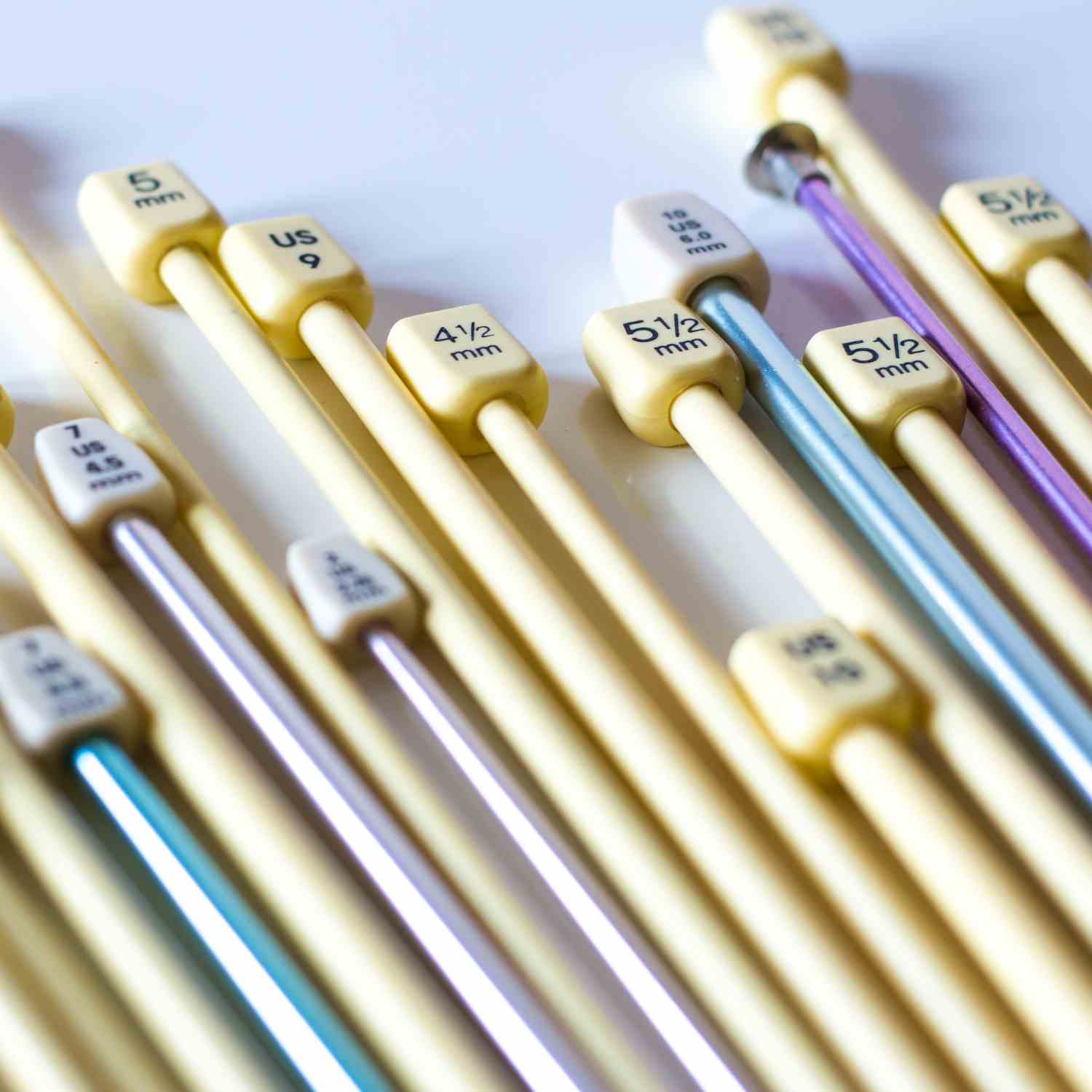
Knitting Needles Explained
My quick reference guide below breaks down every major needle type — straight, circular, interchangeable, double‑pointed, and trio needles — with clear pros, cons, and best uses for each.
Whether you’re choosing your very first pair of needles or you’re an experienced knitter deciding between circulars, DPNs or an interchangeable set, this guide walks you through everything you need to know and helps you choose the right tools for your next project.
Use this guide as your go‑to resource for comparing needle types before starting your next project. You’ll find a printable PDF version further down in the post.
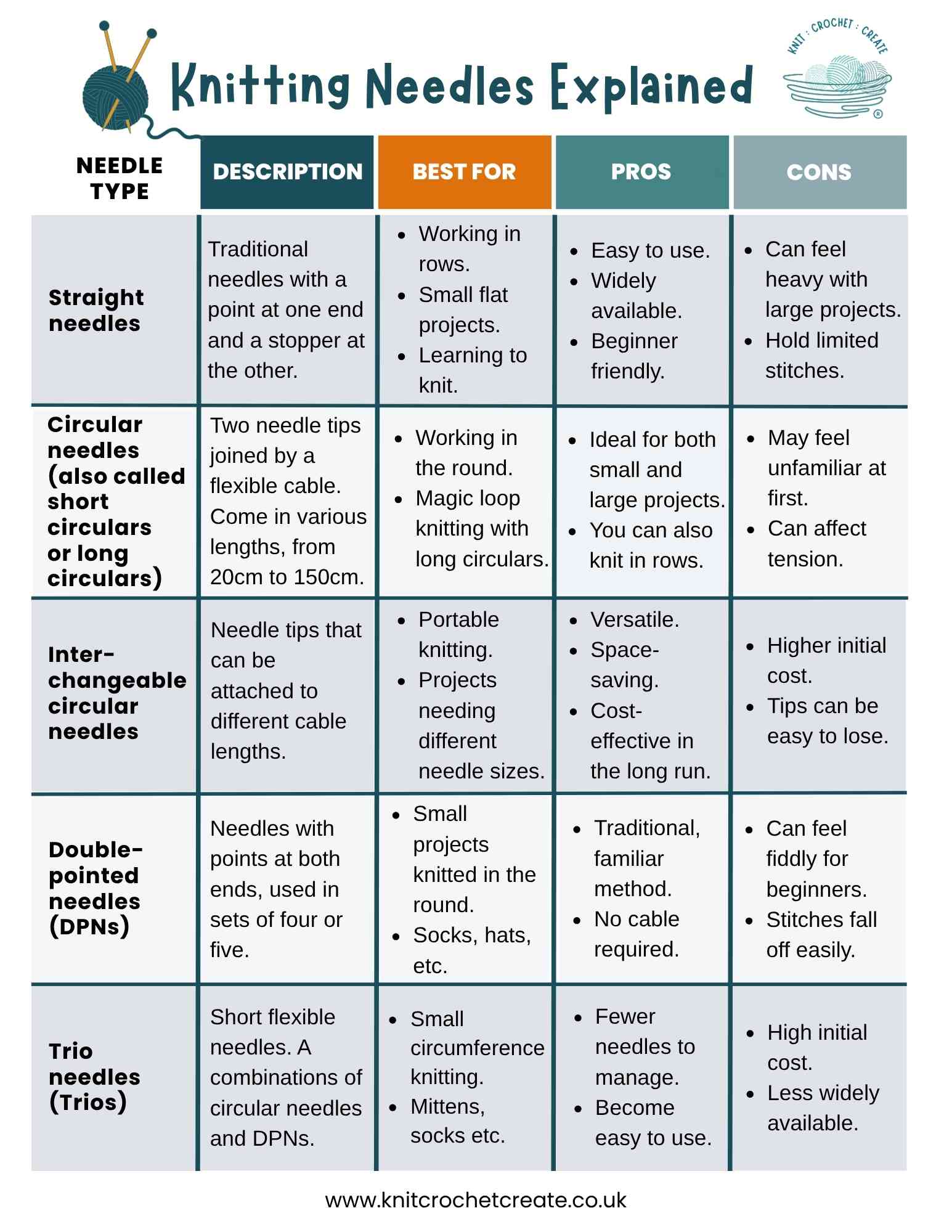
What Materials Are Knitting Needles Made From?
Knitting needles come in a variety of materials, each offering a different knitting experience. Here’s a quick overview to help you choose:
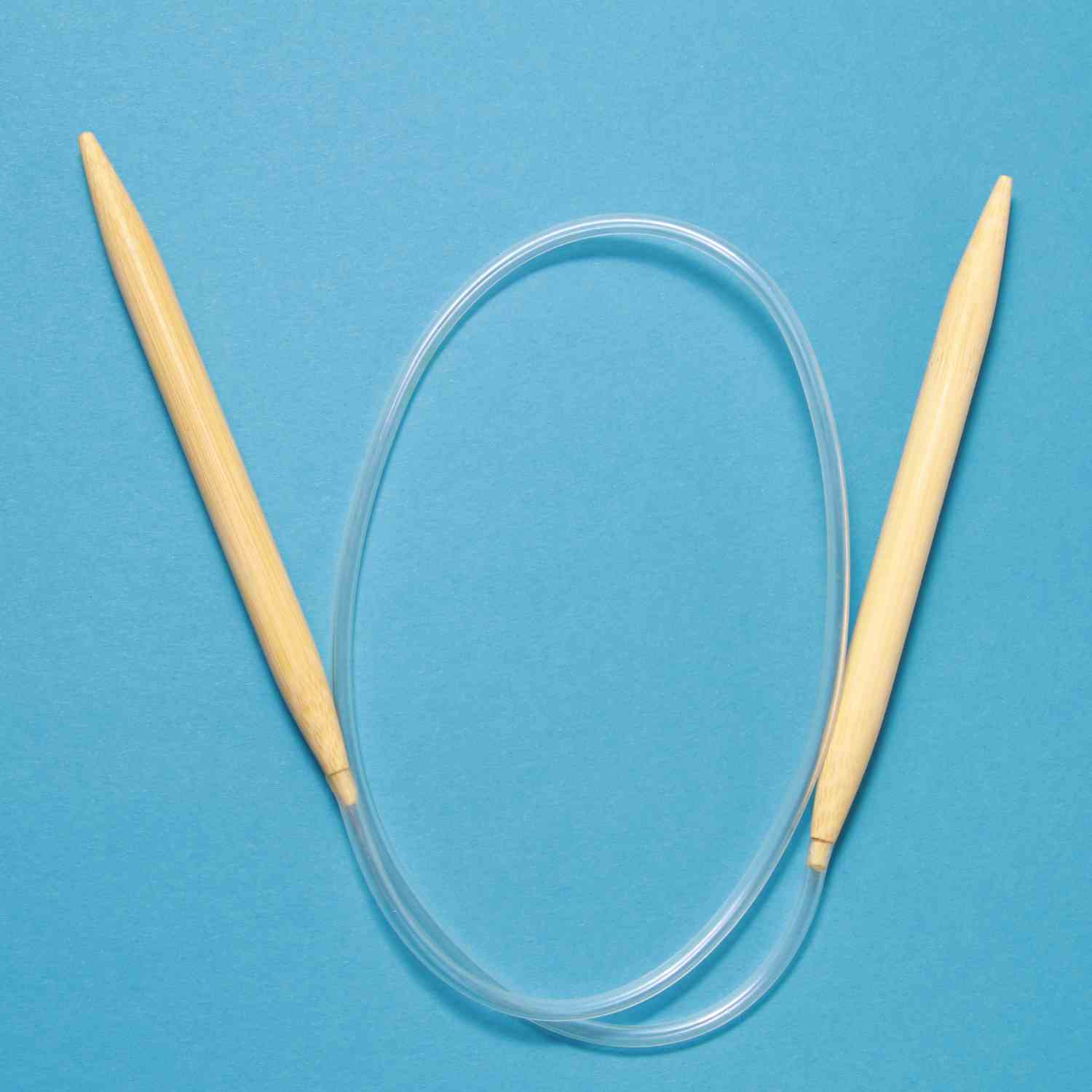
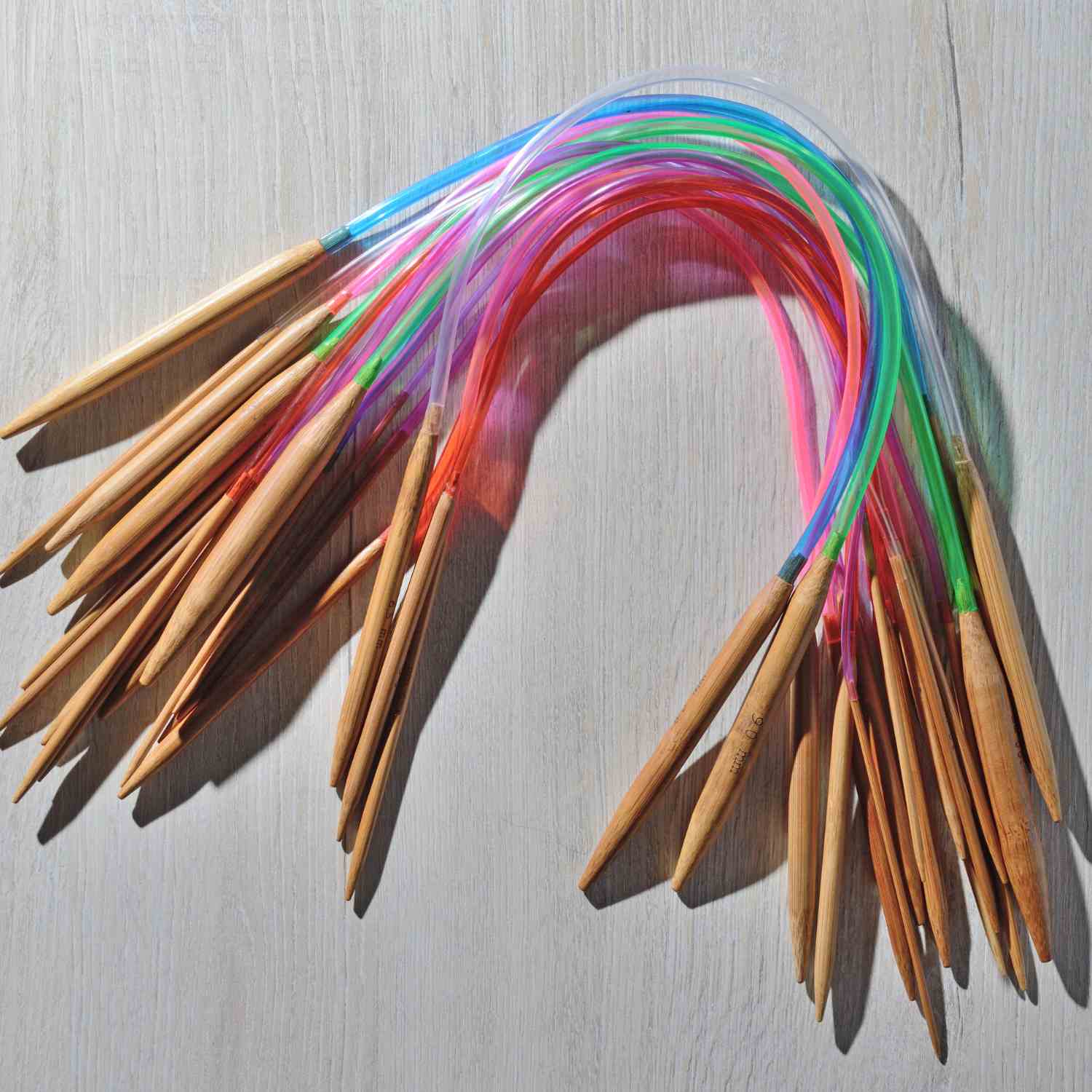
- Bamboo and wood – lightweight, warm to hold and less slippery, making them popular with beginners. May bend or snap if used with very tight stitches or heavy cable projects.
- Plastic – lightweight and affordable, making them a budget-friendly option. However, they can bend in larger sizes. Some yarns may stick slightly to the surface or squeak while knitting.
- Aluminium and metal – smooth, durable and ideal for knitters who want stitches to glide easily. Can feel cold to the touch, which may be uncomfortable if you have arthritis or joint pain.
- Carbon fibre – lightweight, strong and comfortable to use, but more expensive than other types of needle.
- Ebony and rosewood – smooth, sturdy and luxurious, with a warm feel in the hands. However, they tend to be among the most expensive knitting needles available.
- You may need to experiment with a few different types of knitting needles before you find the ones that suit you best. It's completely normal to try several materials before discovering which feels most comfortable in your hands and works best with your knitting style.
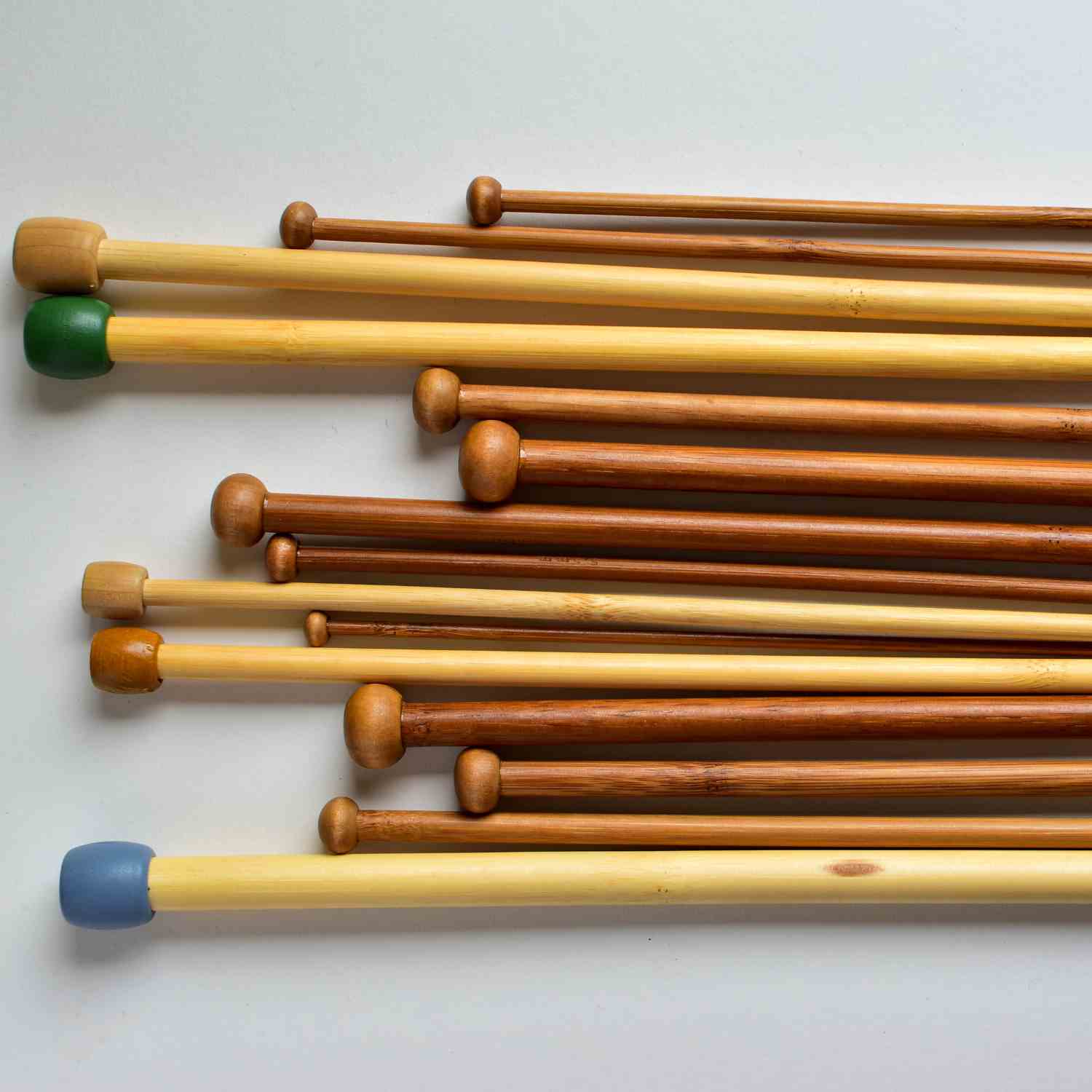
How to Choose the Right Knitting Needles
If you’re unsure where to start, these quick tips can help you choose the right needles for your yarn and project:
- Slippery yarn? Choose bamboo or wood.
- Tight knitter? Metal helps stitches glide more easily.
- Loose knitter? Wood or carbon fibre adds control.
- Big projects? Long circulars save your wrists.
- Socks or mittens? DPNs, trios, or short circulars — choose what feels best.
Why Choosing The Right Needle Size Is Important
Choosing the right knitting needles can completely change how your project feels and flows. Understanding needle size is just as important as choosing the right needle type. The size of your needles can completely change how your finished project looks and feels:
- Needle size affects:
- Stitch size.
- Gauge.
- Fabric drape.
- Finished project size.
- Larger needles create larger stitches.
- Smaller needles create tighter stitches.
▶️ Top Tip For Choosing The Right Needle Size
Always check your pattern's recommended needle size and make a gauge swatch where appropriate, so that you know your stitches are the correct size.
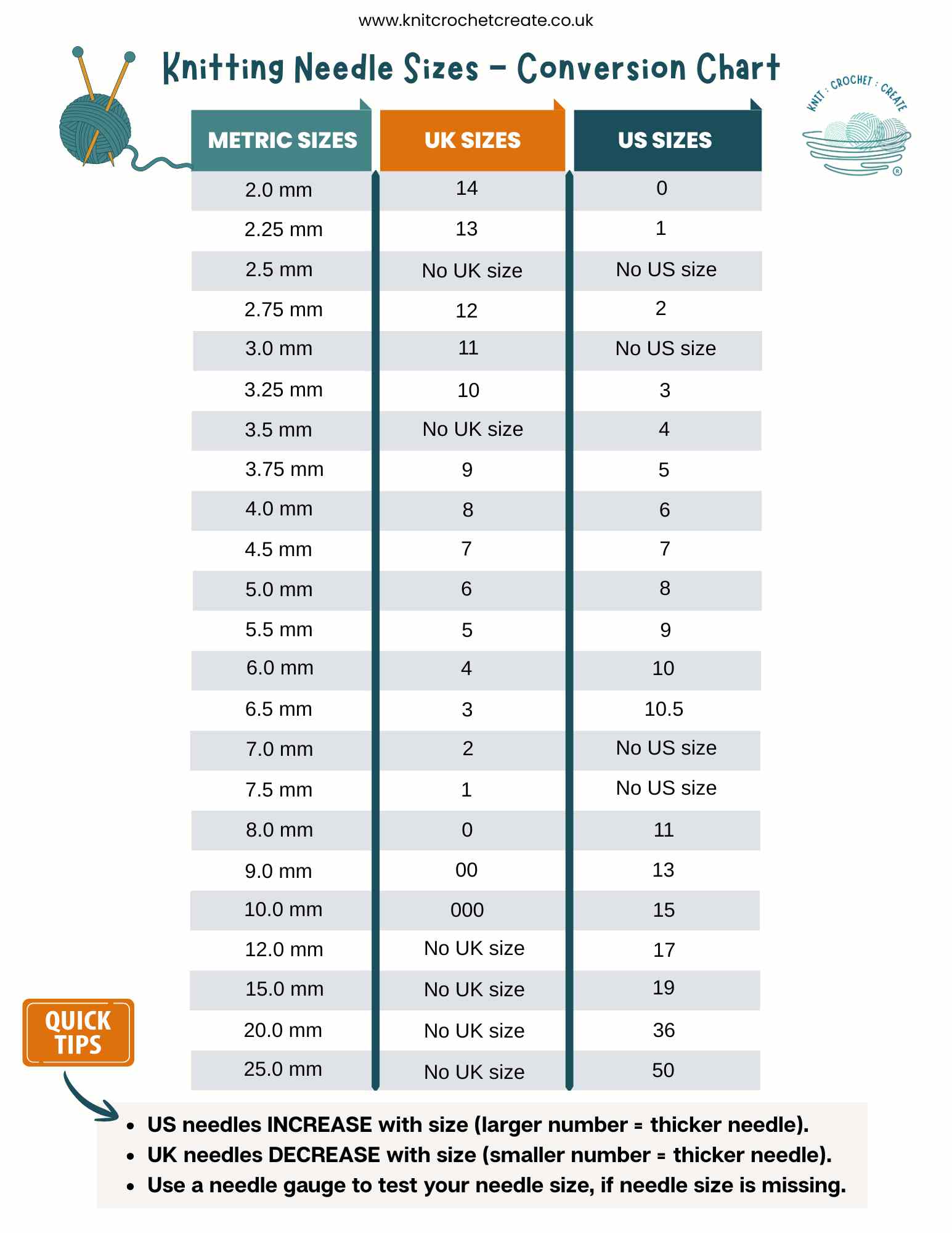
Knitting Needle Size Chart
Knitting needle sizes can be confusing because the UK, US and metric systems all use different measurements — and older UK patterns often refer to a system that’s no longer in use. This conversion chart makes it easy to match needle sizes across all three systems so you can follow any pattern with confidence.
How to Get Your Free Knitting Needle Size Conversion Chart and Guide
You can now download both A4 PDF guides — the Knitting Needle Sizes Chart and the Knitting Needles Explained Guide.
These are the first printables in my growing Knitting & Crochet Resources Pack, a collection of handy reference sheets designed to make your crafting easier and more enjoyable. Print them, keep them in your project bag, and build your own set of go‑to knitting and crochet resources.
Knitting Needle Size and Type: Frequently Asked Questions
- Are circular needles better than straight needles for knitting in rows, back and forth?
- Neither is better. Circular needles are often more comfortable for larger projects, because the knitted fabric can sit on the cord between the needle tips. Whereas straight needles work well for smaller flat projects. It really is a personal preference as to which you choose.
- What knitting needles should beginners use?
- Bamboo or wooden needles in 4mm or 5mm sizes are often easiest for beginners because they're comfortable to hold, lightweight and provide more grip than metal needles. Many beginners start with straight needles, although circular needles work just as well for knitting flat.
- What are the best needles for socks?
- Many sock knitters use DPNs, short circular needles, or trio needles. Some even use the magic loop method on long circulars.
- Why do my stitches keep slipping off?
- You may be using needles that are too smooth for your yarn. Bamboo or wooden needles provide more grip.
- What happens if I use a different needle size from the pattern?
- Using larger needles will create larger stitches and a looser fabric, while smaller needles will create tighter stitches and a denser fabric. This means your finished project may turn out larger or smaller than intended. Always check your gauge, especially when making garments, as changing needle size can affect the finished measurements. The required gauge will be included in the pattern instructions.
Conclusion
The best knitting needles are the ones that feel comfortable in your hands and suit the project you’re making. This will vary from person to person, and that’s completely normal, because knitting is a personal craft, and we all develop our own preferences. By understanding the different types, materials and sizes, you’ll be able to choose the right needles for every project and enjoy your knitting even more.
What next?
If you loved this post then you may also enjoy more helpful posts for your knitting or crochet questions:
- How to Use Yarn Double in Knitting or Crochet
- Choosing Colour Combinations for Knitting or Crochet
- What is Gauge or Tension and how to measure it
- How to Knit a Square for Beginners
Share your creations!
Share your projects and tag me on Instagram [@knitcrochetcreate] because I love seeing your makes and how you bring your creative ideas to life!
Let's keep in touch!
I'd love to chat more.
Sign up for my newsletter and receive a weekly dose of crafting inspiration, featuring the latest trends, tips, and projects to fuel your creativity.