How to use yarn double in knitting or crochet
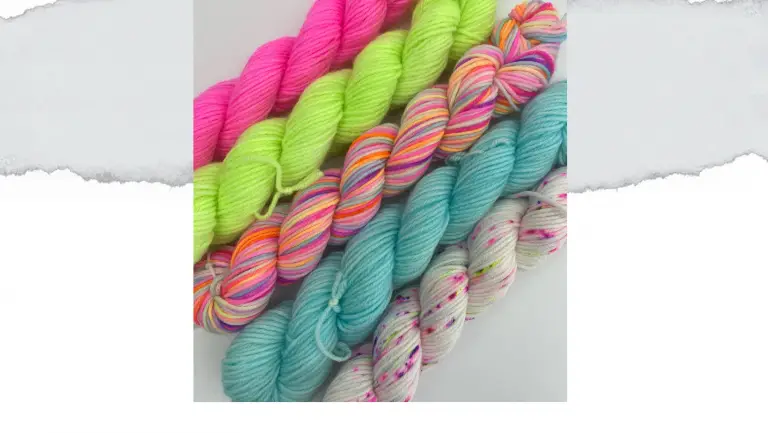
Have you ever wondered how to use yarn double, or how to hold multiple strands of yarn together in your knitting or crochet? Holding thin yarns together is one of the easiest ways to turn leftover 4‑ply into a soft, squishy aran (worsted weight) yarn without buying anything new. It’s the technique behind my latest cardigan design, and honestly… I’m obsessed.
In this guide, I’ll show you exactly how to do it, how to choose your strands, how to avoid tangles, and how to create luxury textures from the yarn already in your stash.
Whether you knit or crochet, this technique opens up a whole new world of colour‑mixing, stash‑busting, and designer‑level fabric. Whether you want to make a thicker yarn, add a marled effect, or just experiment, this technique is perfect for stash-busting and mindful crafting.
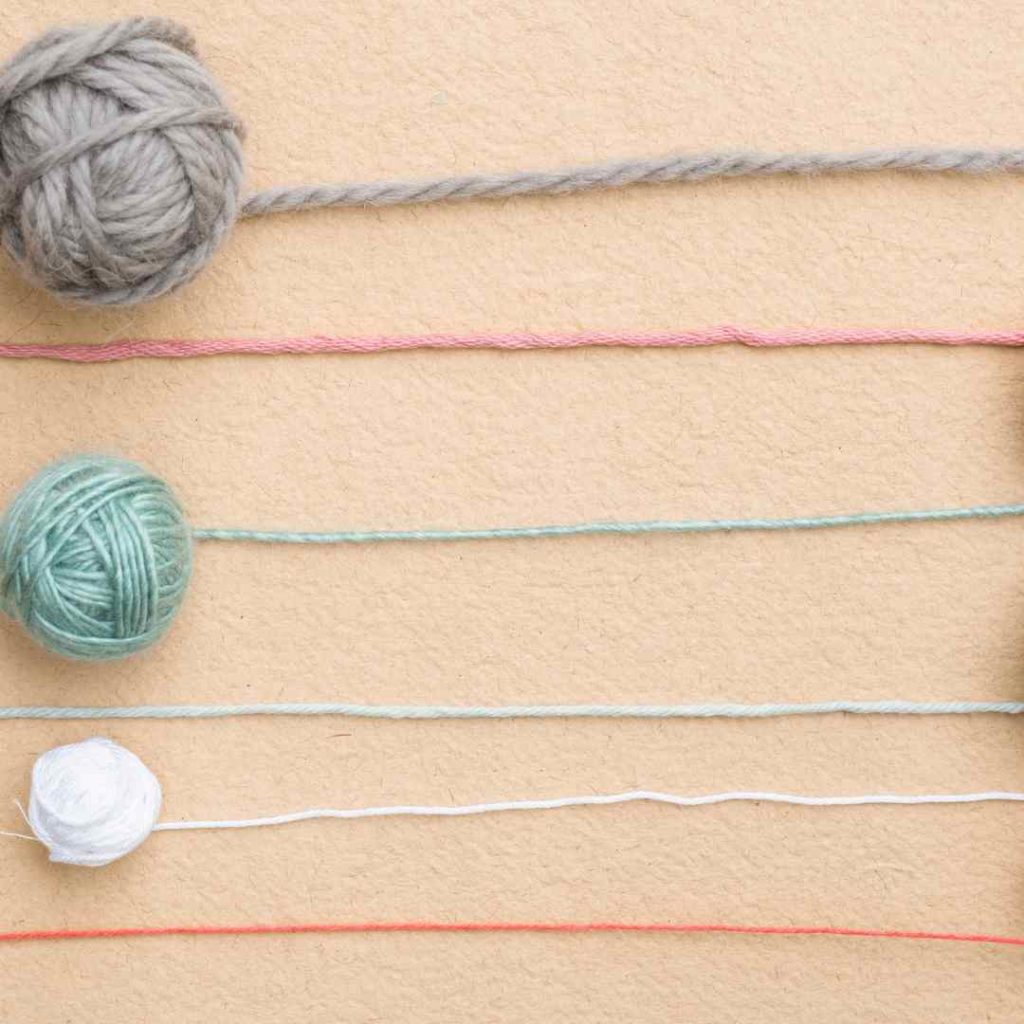
Why use yarn double, or hold multiple strands together?
- Instant thickness: Two (or more) strands behave like a thicker yarn — perfect when you want a quicker project or a warmer fabric.
- Stash‑busting magic: Odd balls, half skeins, and leftovers suddenly become useful when you blend them.
- Designer‑level texture: Adding mohair or alpaca silk creates a soft halo and a high‑end look.
- Colour‑mixing fun: Blend shades for marled effects, subtle gradients, or unexpected combinations.
- Eco‑friendly crafting: Using what you already have reduces waste and avoids unnecessary purchases.
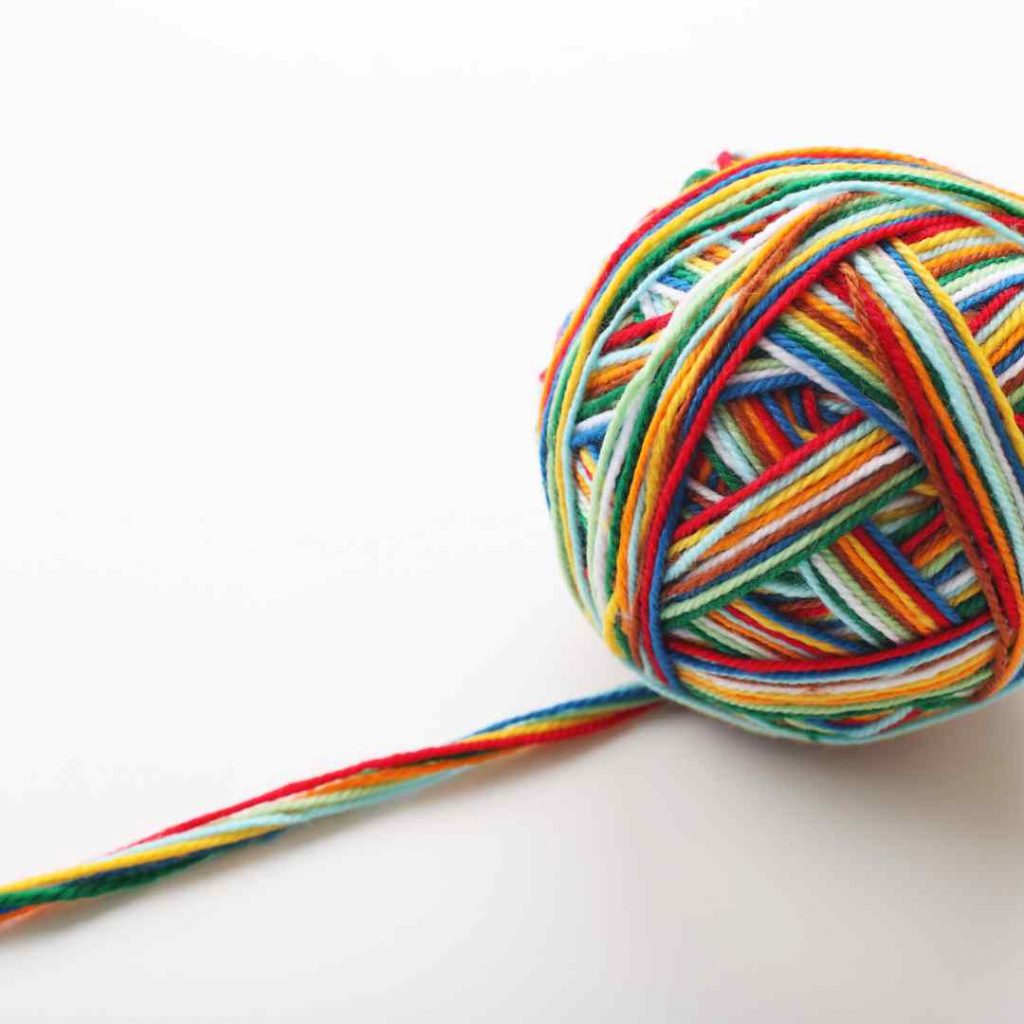
How to hold yarn double (or triple)
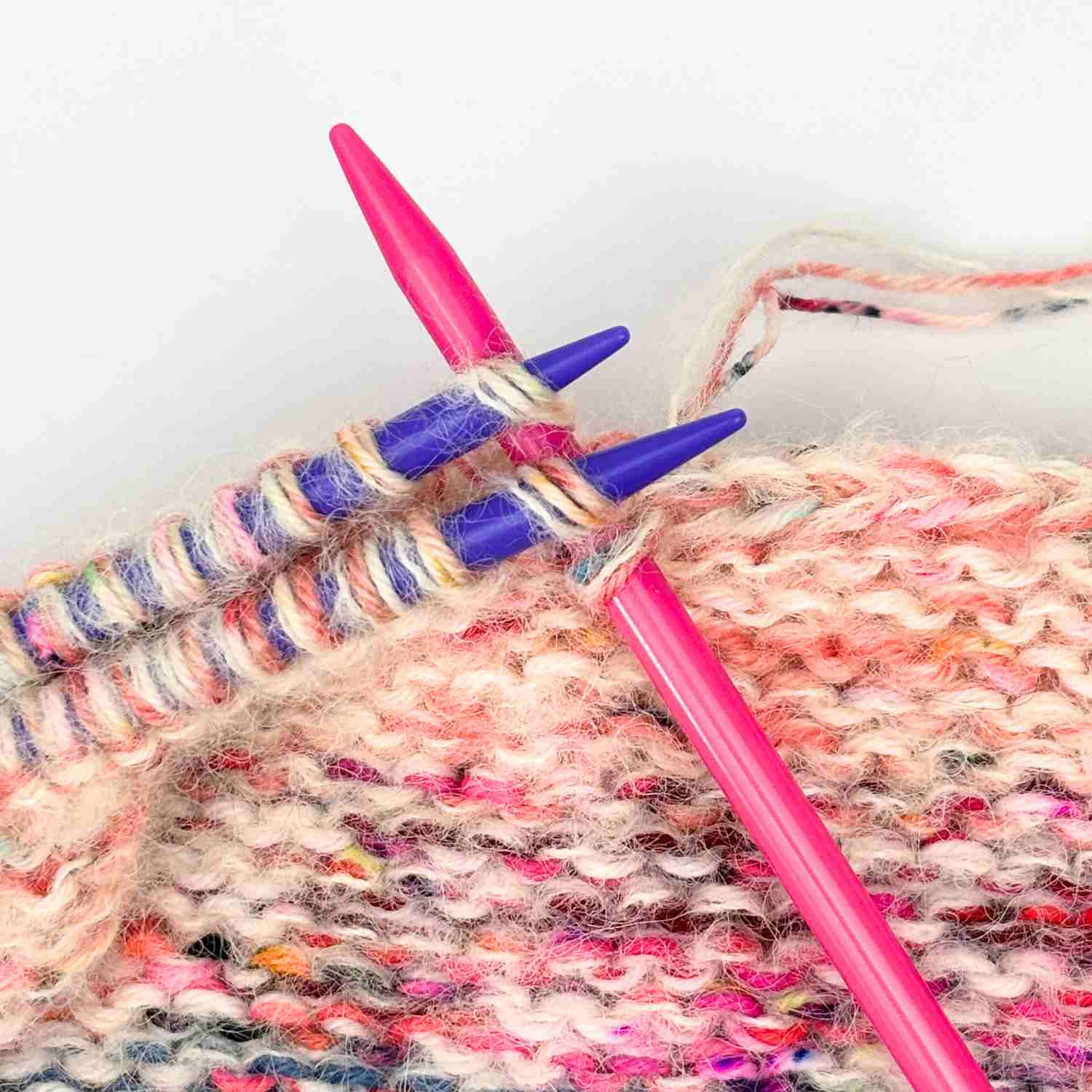
Holding yarns together simply means working with two or more strands at the same time, treating them as one. You’ll insert your hook or needle under all strands, wrap the yarn over with all strands together, and work your stitch as usual.
Tips for smooth stitching
- Keep the strands running side‑by‑side, not twisted.
- Use a yarn bowl or bag to stop tangling.
- If using two balls, place them on opposite sides of you.
- If using one ball, wind it into two cakes first.
- Check your gauge (tension) — thicker yarn means looser stitches.
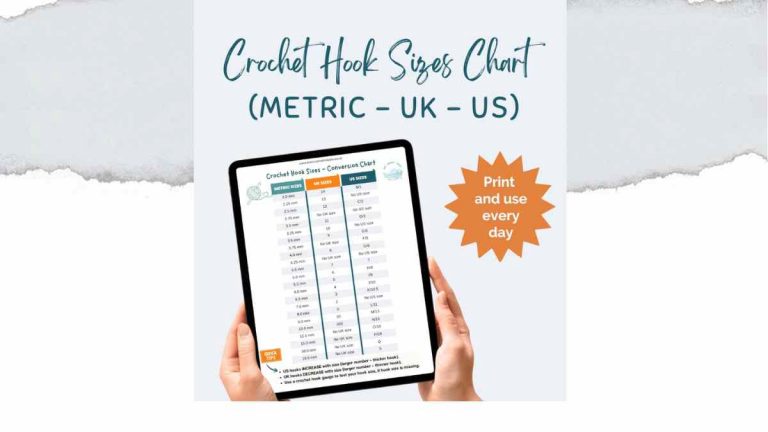
- Adjust your hook or needle size because the new thickness will be heavier than each individual strand, so size up accordingly.
- Work carefully – make sure you insert your hook or needle through all strands in each stitch to keep your work even and avoid loose loops.
Click play to watch my helpful video demonstration: How to use yarn held double
How to size up your individual strands
- 2 strands of lace weight = fingering / 4-ply /sock weight.
- 2 strands of fingering / sock weight = double knitting (light worsted) weight.
- 2 strands of double knitting (light worsted) weight = aran (worsted) weight.
- 2 strands of 4-ply (sock) weight PLUS 1 strand of double knitting (light worsted) weight = aran (worsted) weight.
- 2 strands of aran (worsted) weight = chunky (bulky).
- 2 strands of chunky (bulky) = super chunky (super bulky).
Tips for Success
- Match fibres when possible – Using all cotton, all wool, or similar fibres helps keep the tension even.
- Experiment with colour and texture – Try combining different shades or even adding a novelty yarn for contrast.
- Use a yarn bowl or bag – This helps prevent strands from twisting and tangling as you work.
- Perfect for stash-busting! – Great for practical, sustainable makes, like washcloths, scarves, or chunky blankets.
Eco-Friendly Project Ideas
- Upcycled chunky beanies and scarves.
- Marled-effect sweaters made from leftover yarn.
- Stash-busting blankets using scrap yarn.
- Textured baskets and home decor to reduce fabric waste.
- Quick stash washcloths as a reusable alternative to disposable cloths.
Using Multiple Strands: Frequently Asked Questions
Yes — almost any yarns can be held together. Smooth yarns give a clean, even fabric, while fluffy fibres like mohair or alpaca silk add a soft halo and a designer feel. If in doubt, make a quick swatch to see how your combo behaves.
The easiest way is to keep your yarns organised before you start. Use two separate cakes or balls and pop them into a yarn bowl or project bag. If you’re working from one ball, split it in half and rewind it into two cakes — it makes everything smoother and stops the dreaded twisty‑tangly mess.
A good rule of thumb is to size up. If you’re holding two strands of 4‑ply, you’ll usually get a double knitting thickness, so a 4mm (US G/6) needle or hook works beautifully. But if you add mohair or alpaca silk, you may want to go up another half size (or full size) for extra drape (and don't forget to swatch).
Absolutely — and it’s one of the best ways to create luxury textures. Mohair and alpaca-silk blend beautifully with wool, cotton, and acrylic. The smoother yarn gives structure, while the fluffy strand adds softness and halo.
Yes — it’s one of the easiest techniques to learn. If you can knit or crochet, you can hold yarn double.
Yes — your gauge will almost always change because your yarn is thicker, so if you’re following a pattern, you’ll need to swatch and adjust your needle or hook size.
Try a Free Pattern
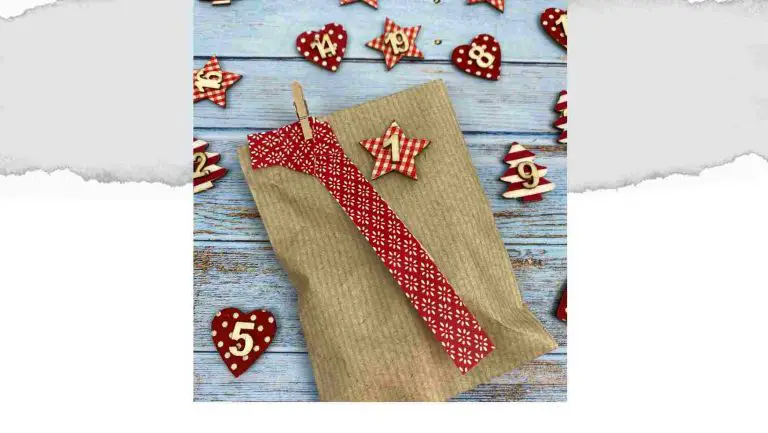
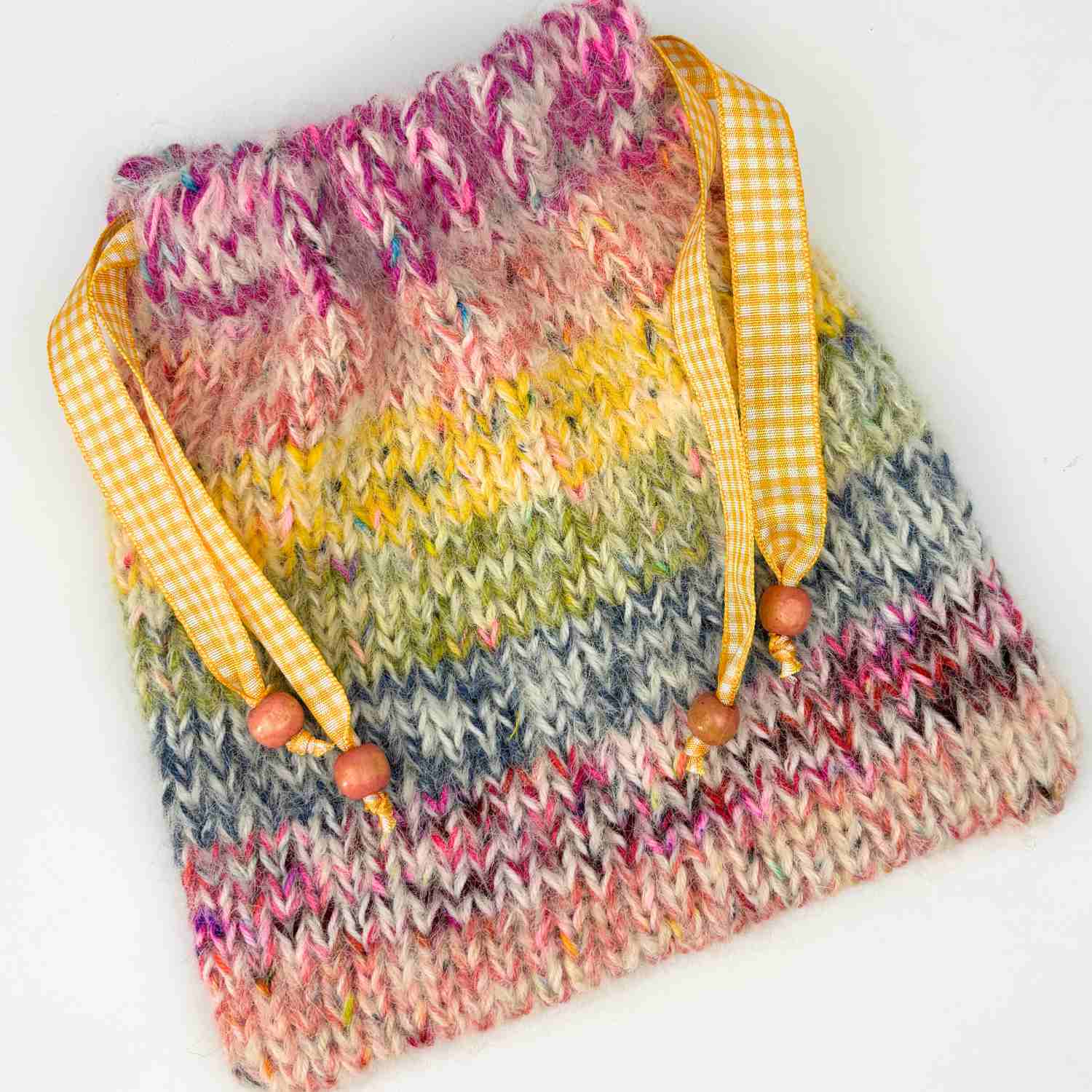
If you want to dive straight in and give it a try, you can use my FREE Gift Bag Knitting Pattern.
Would you like to stay connected?
If you love yarn‑mixing, stash‑busting, and designer‑inspired makes, I'd love you to join my newsletter. I send cosy, creative inspiration straight to your inbox — plus new patterns, tutorials, and behind‑the‑scenes updates. Click here to join my mailing list.
And if you need some ideas for ways to use up your yarn stash that isn't knitting or crochet - then I have you covered here

Let's keep in touch!
I'd love to chat more.
Sign up for my newsletter and receive a weekly dose of crafting inspiration, featuring the latest trends, tips, and projects to fuel your creativity.