Eco-Friendly Knitting and Crochet Tips to Help Save Money
I love how knitting and crochet are naturally eco-friendly crafts. They encourage slow making, careful use of materials, and creating items that last. As a bonus, they can also help save money — which means more room in the budget for even more lovely yarn.
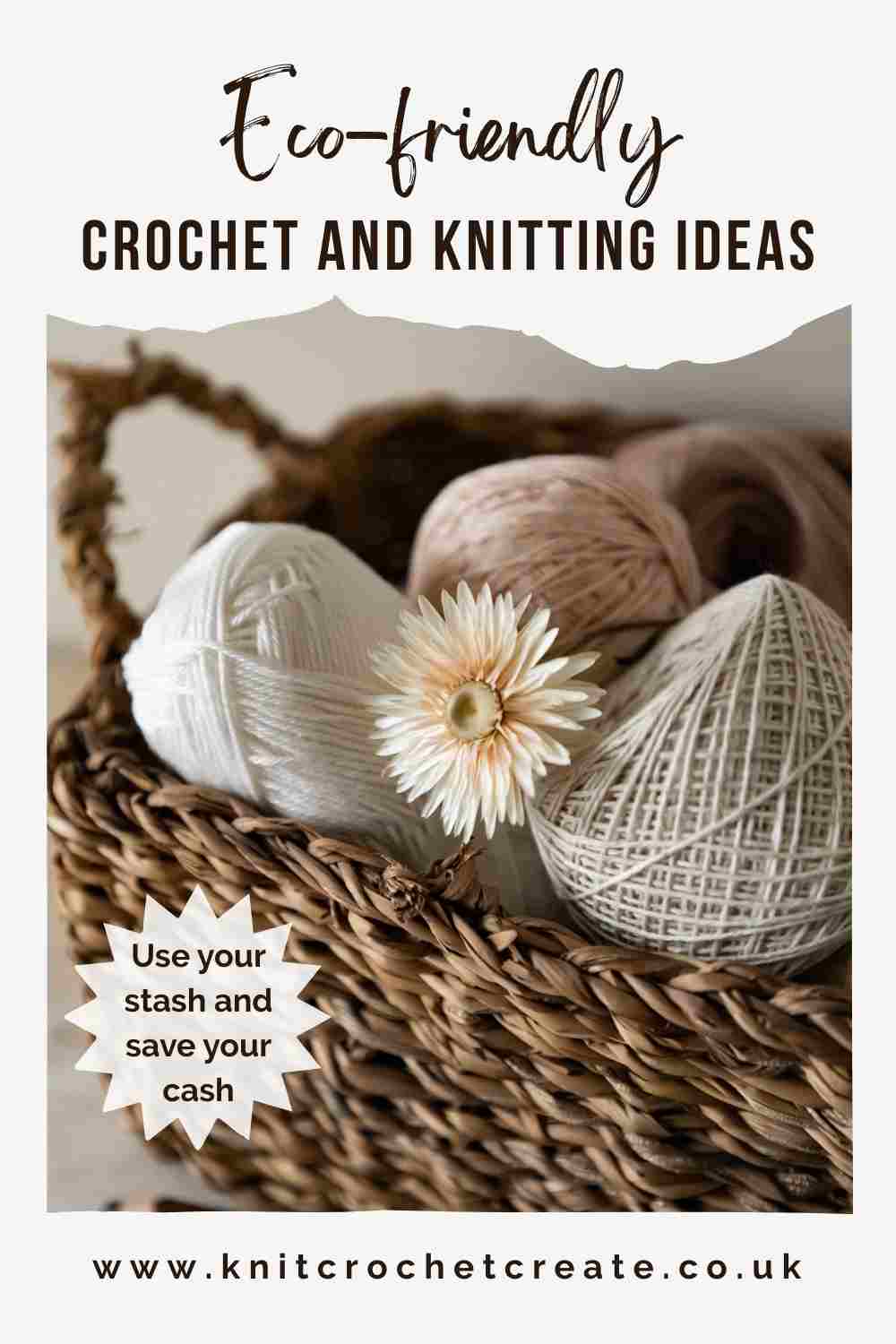
Using the yarn you already have, picking the right projects, and rethinking how you use materials can help you make the most of your stash and save money, while still enjoying your time with yarn.
In this post, I’m sharing 7 practical eco-friendly knitting and crochet tips to help you enjoy your craft even more, without spending a penny extra.
1. Choose eco-friendly knitting and crochet patterns that use your yarn stash
One of the easiest ways to craft more sustainably is to pick patterns that work well with your existing yarn, so you don't need to buy more yarn.
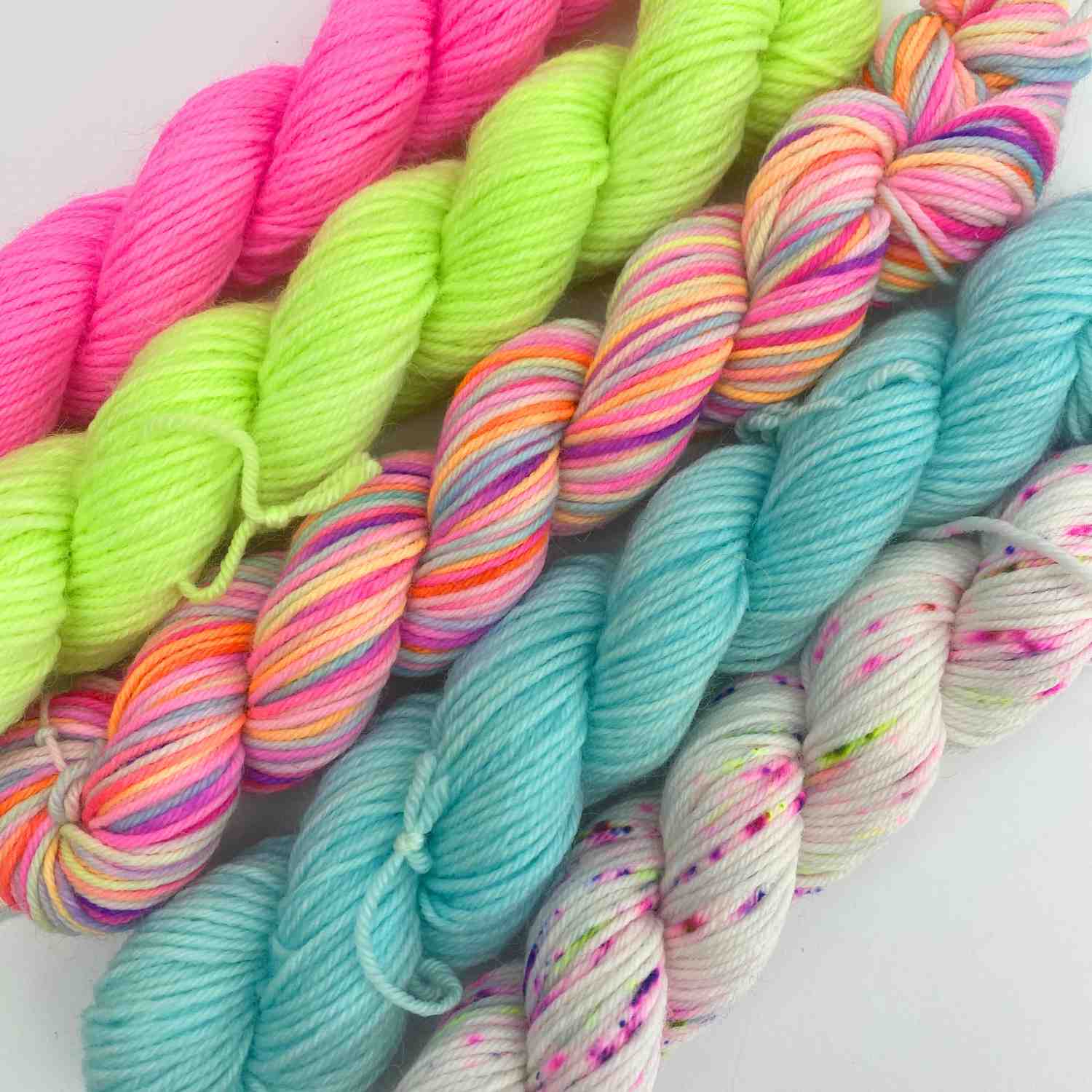
- Modular projects are ideal because each piece can be made with whatever yarn you have to hand.
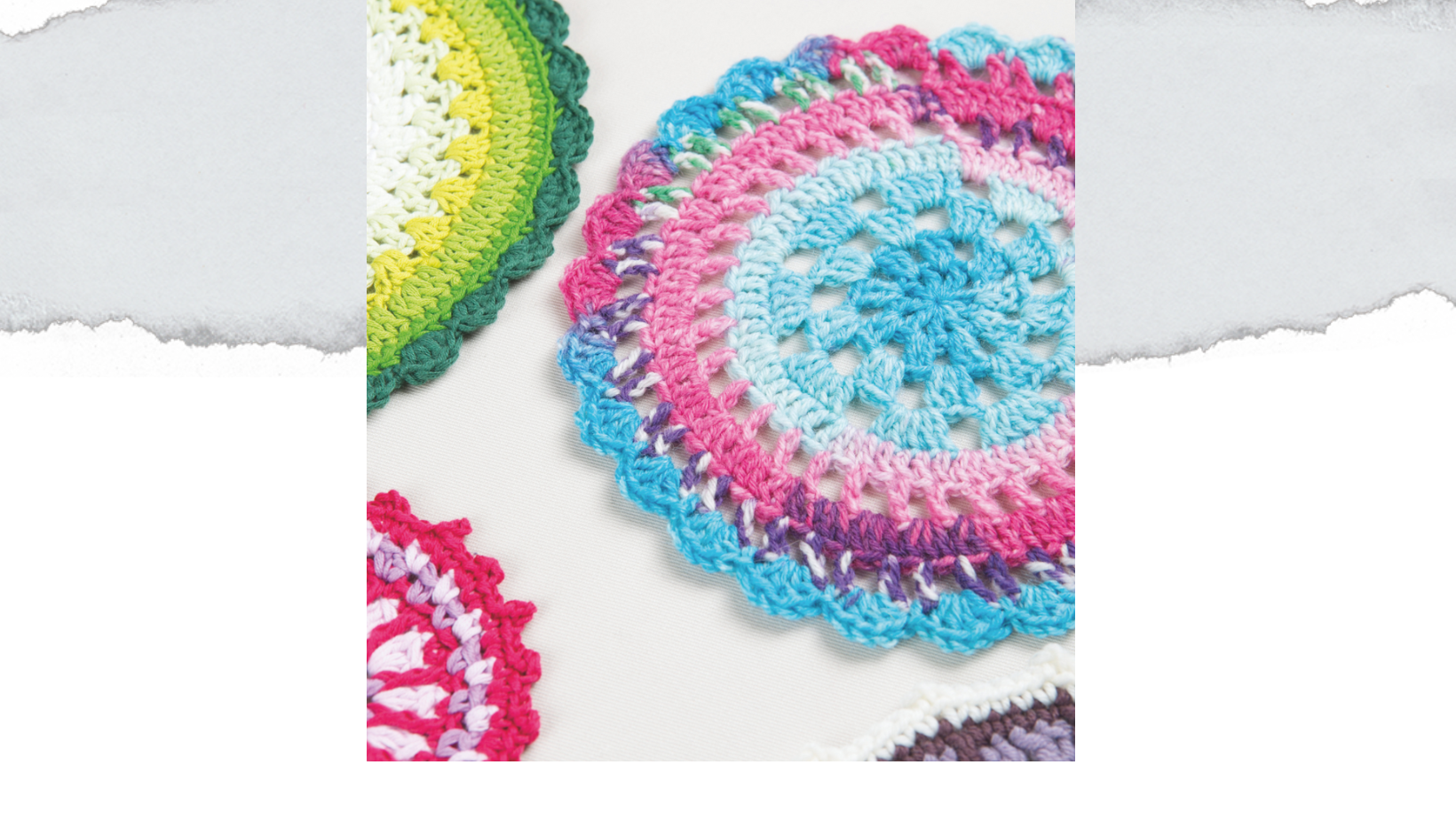
- You can mix colours, fibres, or even yarn weights, and simply keep going until your yarn runs out. This makes them perfect for using odd balls and leftovers.
- Striped designs work well when you have several small amounts of yarn.
- Stripes allow you to change colour whenever a ball runs out, without it looking like a compromise. They’re a simple way to bring different yarns together and use up what’s already in your stash.
- Textured stitches are also perfect for your stash.
- Texture adds interest without needing colour changes or extra yarn, and it often hides small differences between yarns. This makes it easier to mix leftovers while still creating a cohesive, finished look.
Stash-busting patterns are also designed to use a variety of yarn types, including:
- Full skeins or balls.
- A mix of smaller amounts of yarn.
- Leftover half balls.
- Different colours combined in one project.
Projects that replace disposable items are especially rewarding. They’re practical, quick to make, and a great way to use yarn you already have, such as dishcloths and washcloths, market bags and tote bags.
These patterns not only help reduce waste but also let you enjoy your yarn stash in a meaningful, budget-friendly way.
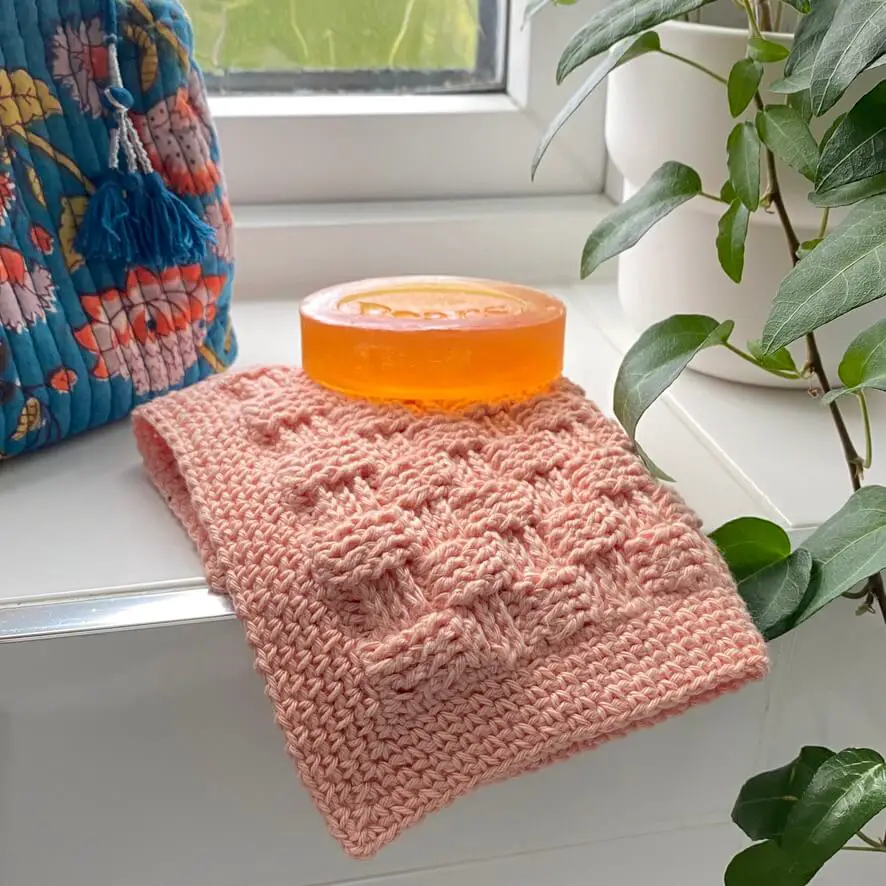
- My washcloth patterns are a popular option and are great for replacing throw-away items:
2. Choose projects that earn their keep
Some knitting and crochet projects quietly earn their place by practical and useful.
Cosy accessories such as hats, mitts, scarves, socks, and slippers are practical makes that see regular use, especially in colder months. Blankets and throws are another perfect example. They use a lot of yarn, making them ideal for stash-busting, and they often last for years.
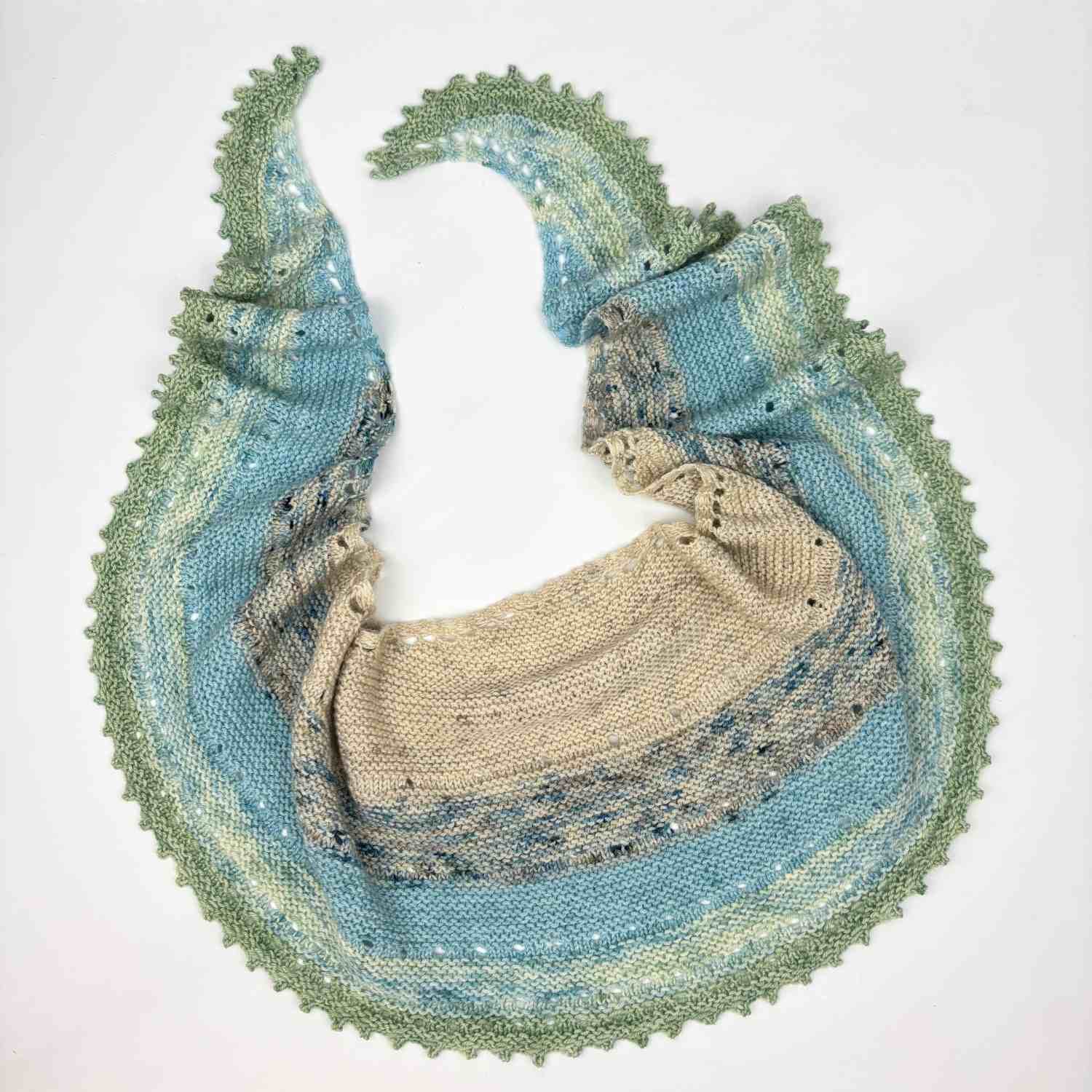
- I have some lovely free patterns for these types of projects here:
TOP TIP: These projects don’t need matching yarn or perfectly coordinated colours. Mixing leftovers, changing colours, or keeping the stitch patterns simple can turn your stash into something warm, useful, and well-loved — helping you get more value from the yarn you already own.
3. Creative ways to use leftover yarn for eco-friendly knitting and crochet
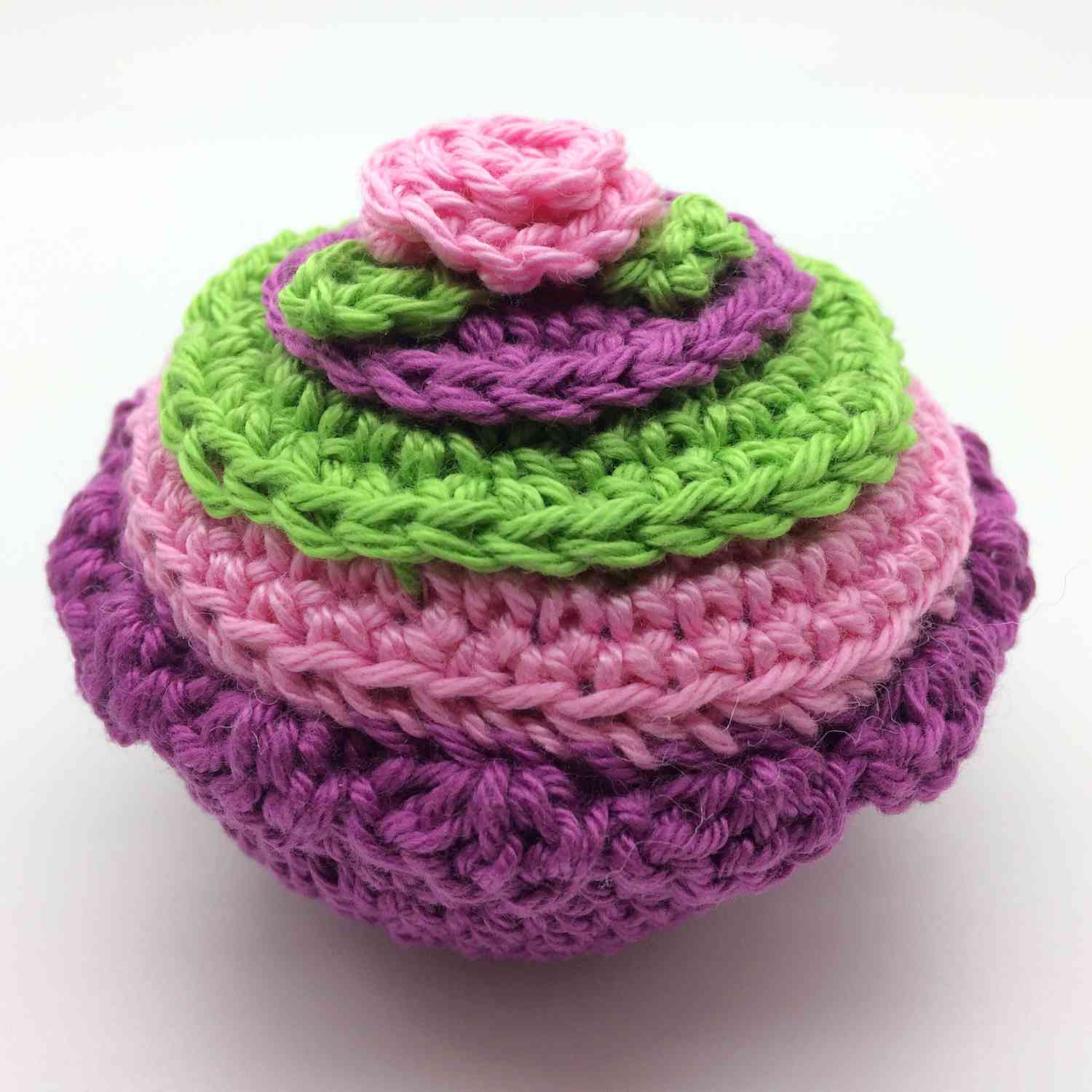
Even small amounts of leftover yarn can become something special, because there are lots of patterns that are quick to make and only need small oddments of yarn.
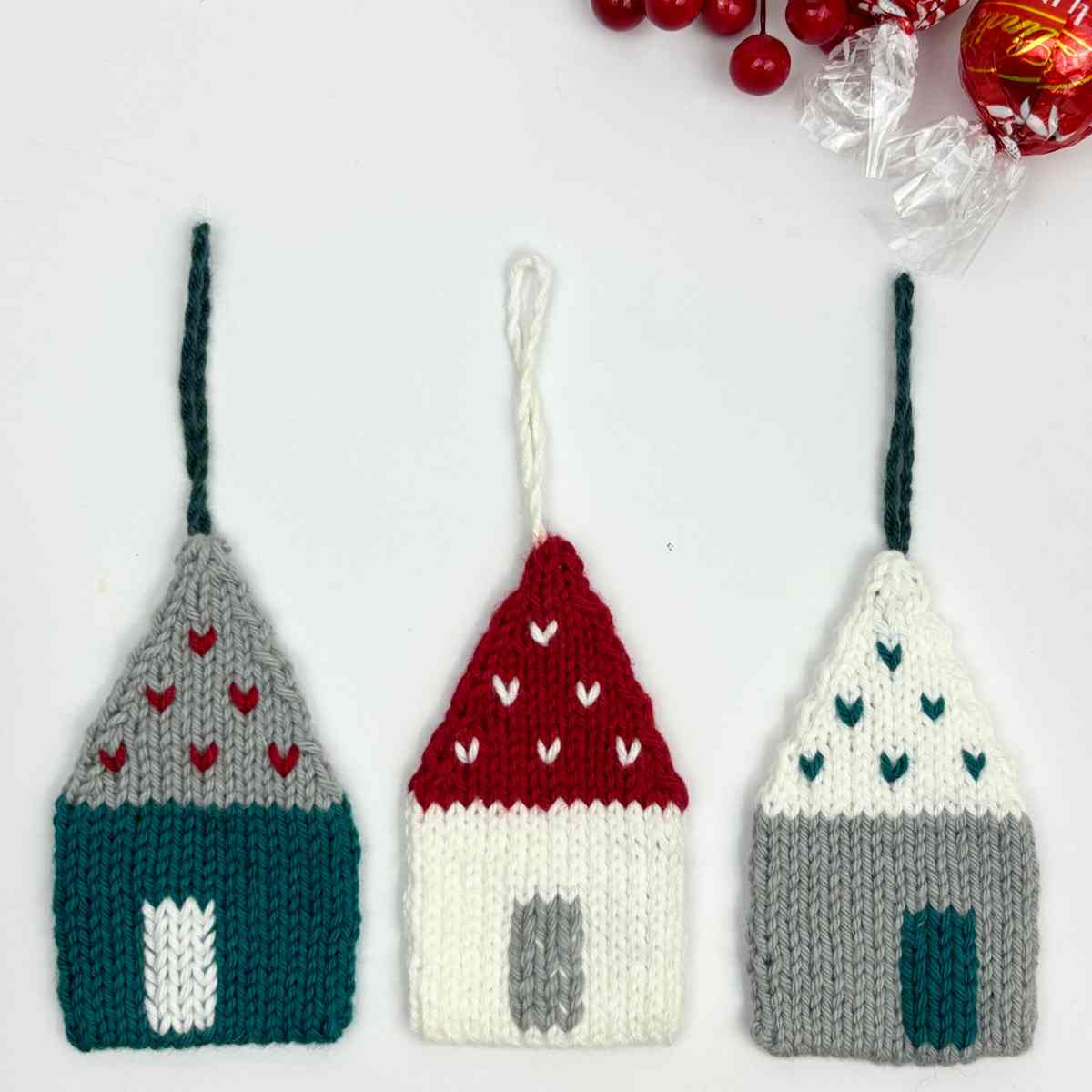
Scraps also work beautifully for colourwork, stripes, borders, or decorative details. Small balls can also be used for quick makes like accessories, home items, or gifts.
- Free Knitted Tea Cosy Pattern
- Free Knitted Houses Hanging Decorations
- Free Crochet Cross Bookmark
- Free Crochet Cupcakes
TOP TIP: Keeping a basket of leftovers visible makes it easier to reach for what you already own rather than buying new yarn for a small project. Turning scraps into finished items is a satisfying way to reduce waste and make the most of your stash.
4. Upcycle and repurpose yarn and materials
Upcycling is one of the most eco-friendly and budget-friendly parts of knitting and crochet.
Old jumpers can be unravelled and yarn soaked and reused, and worn items can be repaired or resized. Even wool jumpers that have been shrunk can be turned into wrist warmers or neck warmers.
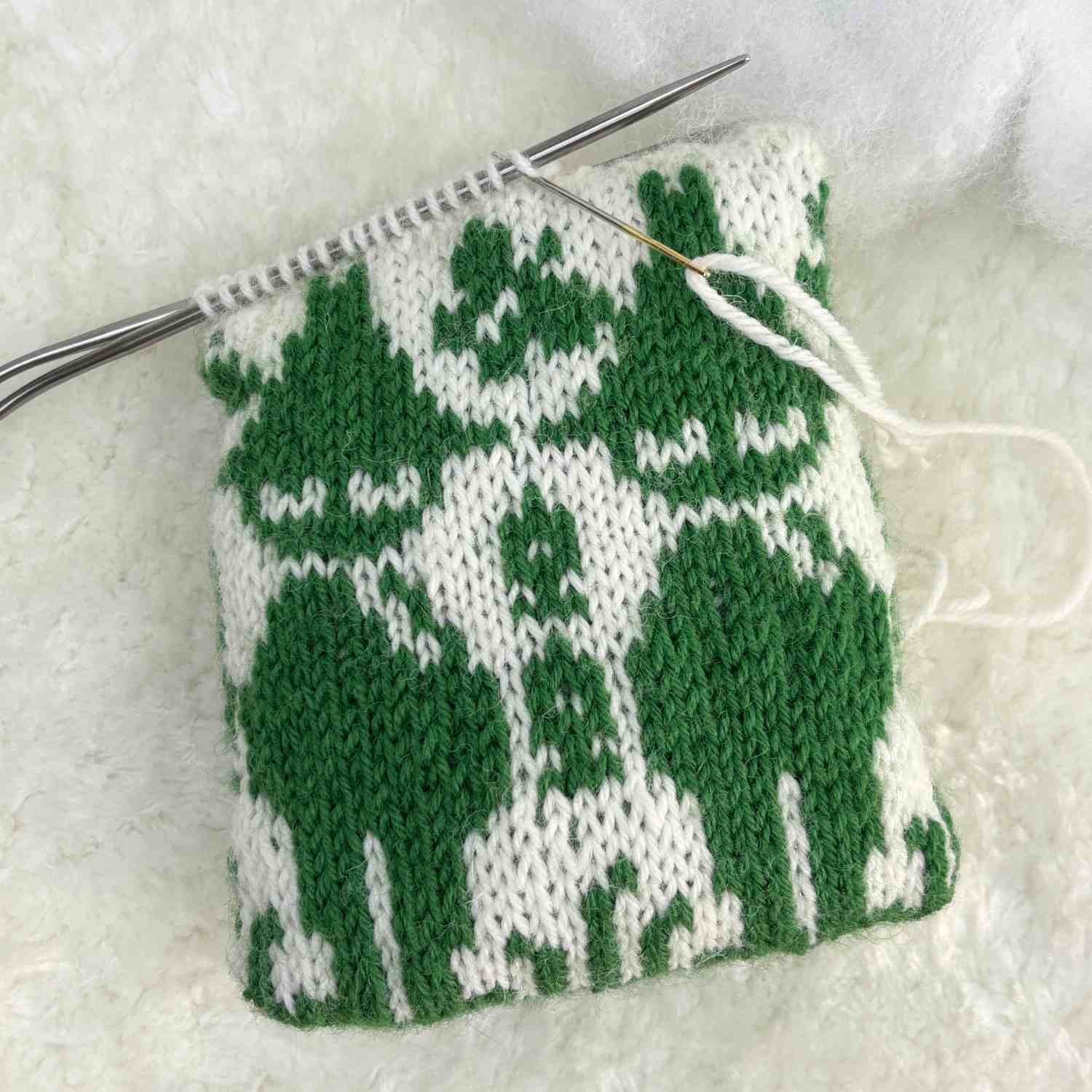
Repurposing materials not only reduces waste, it also gives your projects a unique story. Many crafters find it deeply satisfying to turn something overlooked into a no-cost creation. I recently turned a part-made sock from my WIP pile into a really useful pin cushion, and save the beautiful motif I had knitted. Read how I did this here:
5. Swap yarn, patterns, and projects
Swapping is a fun way to refresh your supplies without spending more.
Yarn swaps allow you to pass on yarn you no longer enjoy and receive something that suits your current projects. Pattern or project swaps are another great way to share skills and inspiration within the crafting community.
Swaps keep materials in use, reduce unnecessary purchases, and help you explore new colours and textures while connecting with other makers.
6. Pass on finished items you no longer need
If you have knitting or crochet items you no longer use, gifting or donating them is a simple, eco-friendly choice.
Handmade items are often valued and kept for longer than mass-produced alternatives. Passing them on gives your work a new purpose, reduces waste, and frees up space in your home and your stash. Something you no longer need can easily become someone else’s favourite.
7. Enjoy variety with eco-friendly knitting and crochet projects
Keeping your knitting and crochet enjoyable is an important part of crafting sustainably. Having a mix of simple, familiar and fun projects on the go at once, helps prevent boredom and a pile of unfinished projects.
Switching between different types of makes — such as a small accessory, a cosy blanket square, or a hanging decoration — allows you to use a wider range of yarn from your stash. It also makes it easier to slot in quick projects between larger ones, using up leftovers as you go.
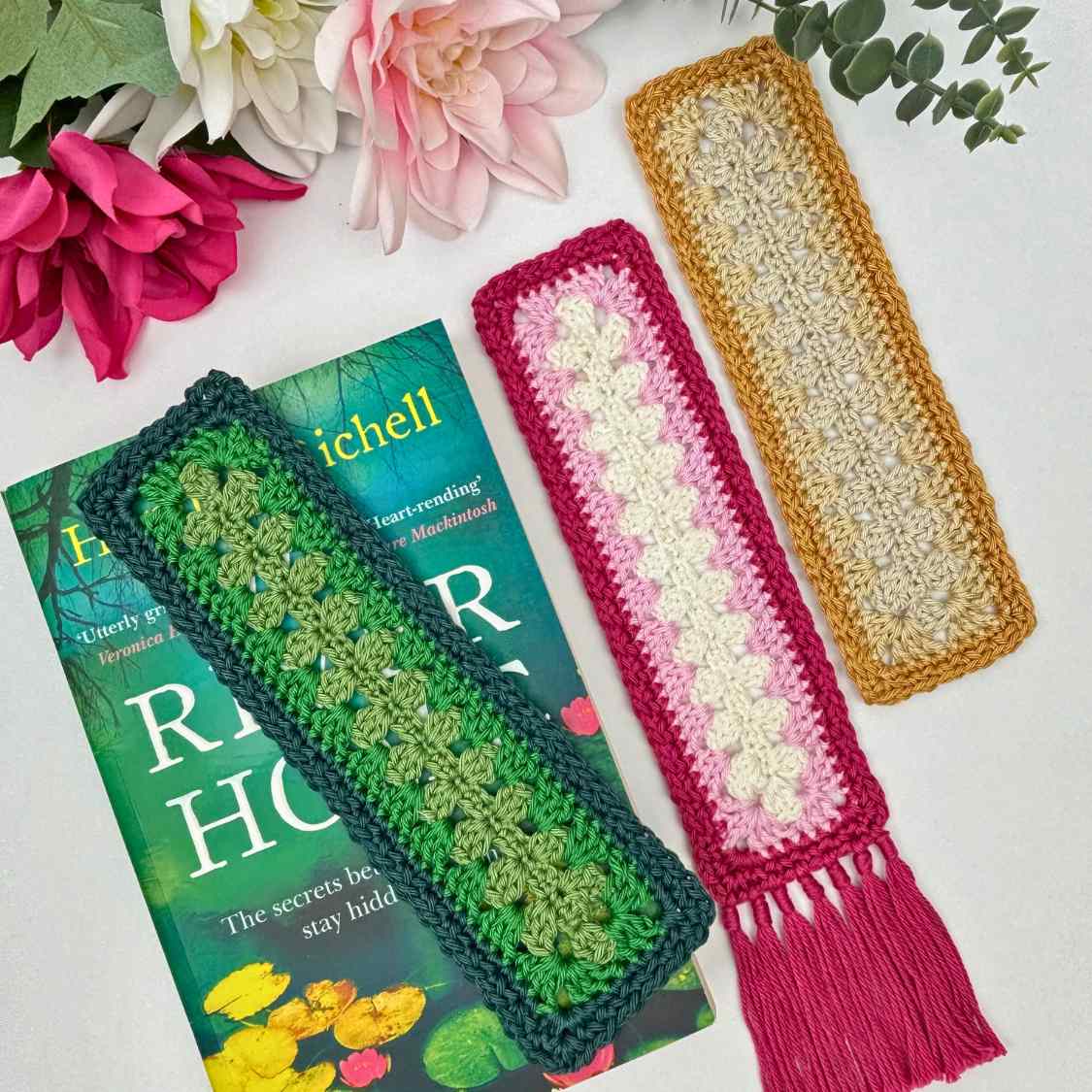
Having a variety of projects on the go means you’re more likely to finish what you start, enjoy the process, and use the yarn you already own rather than buying something new for a change of pace. Here are a few quick projects you can fit in between larger ones:
Share your creations!
Which eco-friendly knitting or crochet ideas will you try first? Share your project and tag me on Instagram [@knitcrochetcreate] because I love seeing your makes and how you bring these ideas to life!
What next?
If you loved this post then you may also enjoy my tips with 31 Mindful Ideas for your knitting and crochet here: Mindful Knitting and Crochet - 31 Ideas to Feel Good
Let's keep in touch!
I'd love to chat more.
Sign up for my newsletter and receive a weekly dose of crafting inspiration, featuring the latest trends, tips, and projects to fuel your creativity.